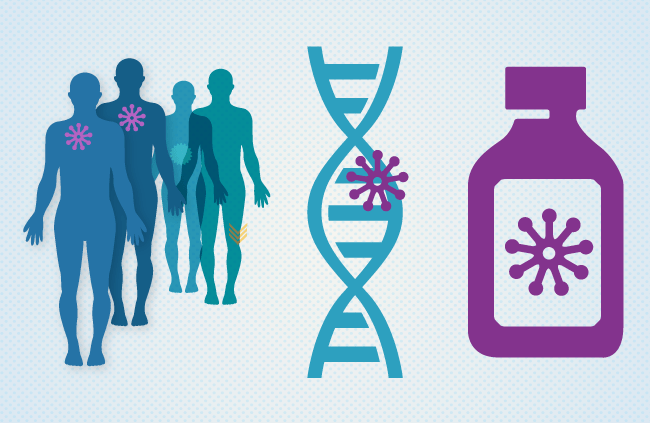
Cancer, a formidable adversary to human health, requires a multifaceted approach to treatment. Hormonal therapy, a subset of anti-cancer medicines, plays a pivotal role in managing certain types of cancers. In this comprehensive guide, we will delve into the mechanisms, applications, and advancements of hormonal therapy in cancer treatment. As we explore this critical aspect of oncology, our focus will extend to the accessibility and information available online regarding anti-cancer medicines.
Understanding Hormonal Therapy:
Hormonal therapy, also known as endocrine therapy, is a targeted approach primarily employed in the treatment of hormone-sensitive cancers. These include breast, prostate, and ovarian cancers, where the growth of cancer cells is influenced by hormones like estrogen and testosterone. The fundamental premise of hormonal therapy is to either block the production of these hormones or inhibit their interaction with cancer cells.
Mechanisms of Hormonal Therapy:
Blocking Hormone Production:
In breast cancer, for example, anti-estrogen medications such as tamoxifen and aromatase inhibitors work by either blocking the action of estrogen or reducing its production in postmenopausal women.
Receptor Inhibition:
Prostate cancer often relies on the stimulation of androgens (testosterone) for growth. Hormonal therapy for prostate cancer involves androgen deprivation, either by inhibiting production or blocking androgen receptors.
Selective Estrogen Receptor Modulators (SERMs):
SERMs, like tamoxifen, function by selectively blocking estrogen receptors on cancer cells, preventing estrogen from binding and stimulating cell growth.

Applications of Hormonal Therapy:
Breast Cancer:
Hormonal therapy is a cornerstone in the treatment of hormone receptor-positive breast cancer. It is used as adjuvant therapy after surgery to reduce the risk of recurrence and as a palliative treatment for metastatic breast cancer.
Prostate Cancer:
Androgen deprivation therapy (ADT) is a common hormonal treatment for prostate cancer. It can be used as a primary treatment, in conjunction with radiation therapy, or in advanced cases to manage symptoms.
Ovarian Cancer:
Hormonal therapy may be considered in certain cases of ovarian cancer, particularly those with hormone receptor-positive tumors.
Accessibility and Information Online:
In the digital age, accessing information about cancer and its treatments, including hormonal therapy, is easier than ever. Patients, caregivers, and healthcare professionals can find a wealth of resources online. Websites, medical portals, and online pharmacies provide information about the types of hormonal therapy, their potential side effects, and the latest research findings.
Anti-Cancer Medicines Online:
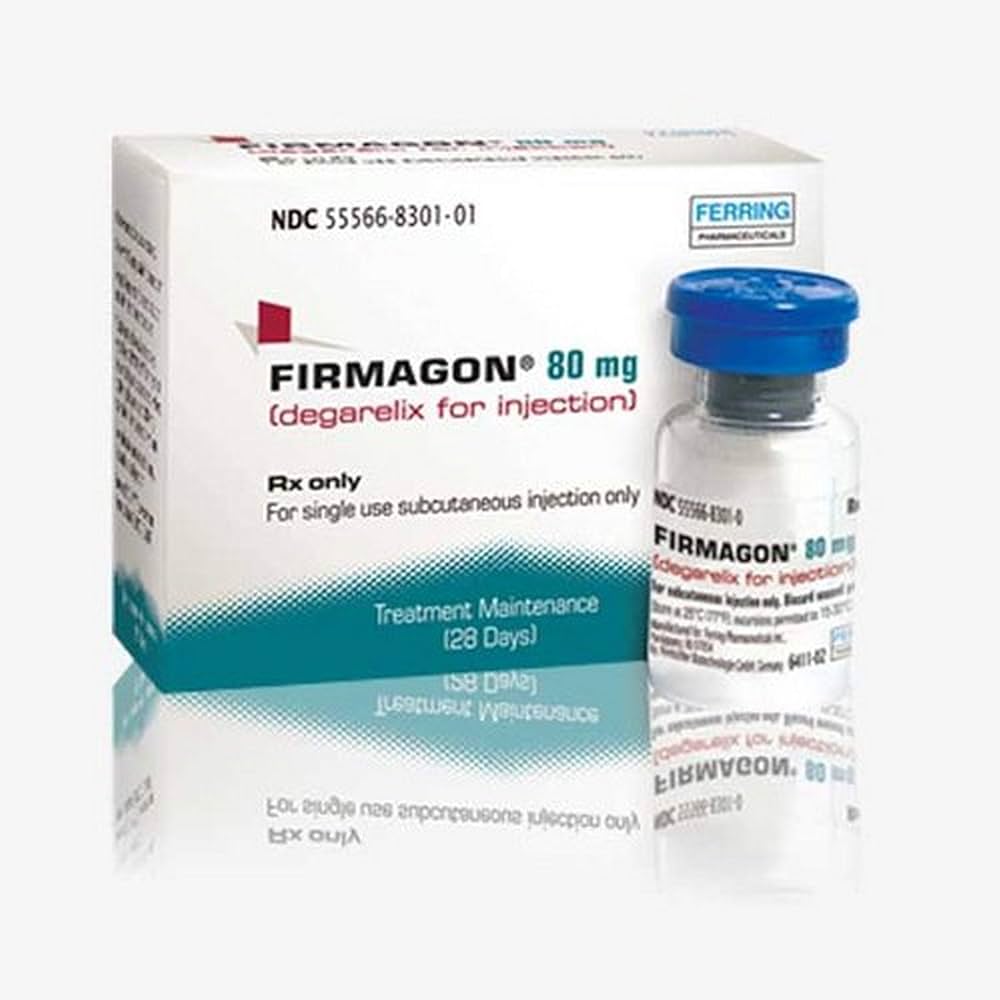
Online platforms offer a convenient and accessible means for individuals to procure Anti Cancer Medicines Online. From informative articles on the mechanisms of hormonal therapy to online pharmacies providing these medications, the virtual realm plays a crucial role in disseminating information and facilitating the availability of anti-cancer medicines.
Advancements and Future Directions:
As research in oncology advances, so does the landscape of hormonal therapy. Ongoing clinical trials explore new drugs, combinations, and approaches to enhance the efficacy of hormonal therapy and minimize side effects. From the development of more selective targeted therapies to personalized medicine based on genetic markers, the future of hormonal therapy holds great promise.
Conclusion:
Hormonal therapy stands as a testament to the progress in cancer treatment, offering targeted and effective solutions for hormone-sensitive cancers. The information age has facilitated unparalleled access to knowledge about these treatments, ensuring that patients and healthcare professionals are well-informed. As we continue to explore the intricate mechanisms and applications of hormonal therapy, the integration of online resources becomes increasingly vital in the journey towards conquering cancer.











 Onco Health Mart