
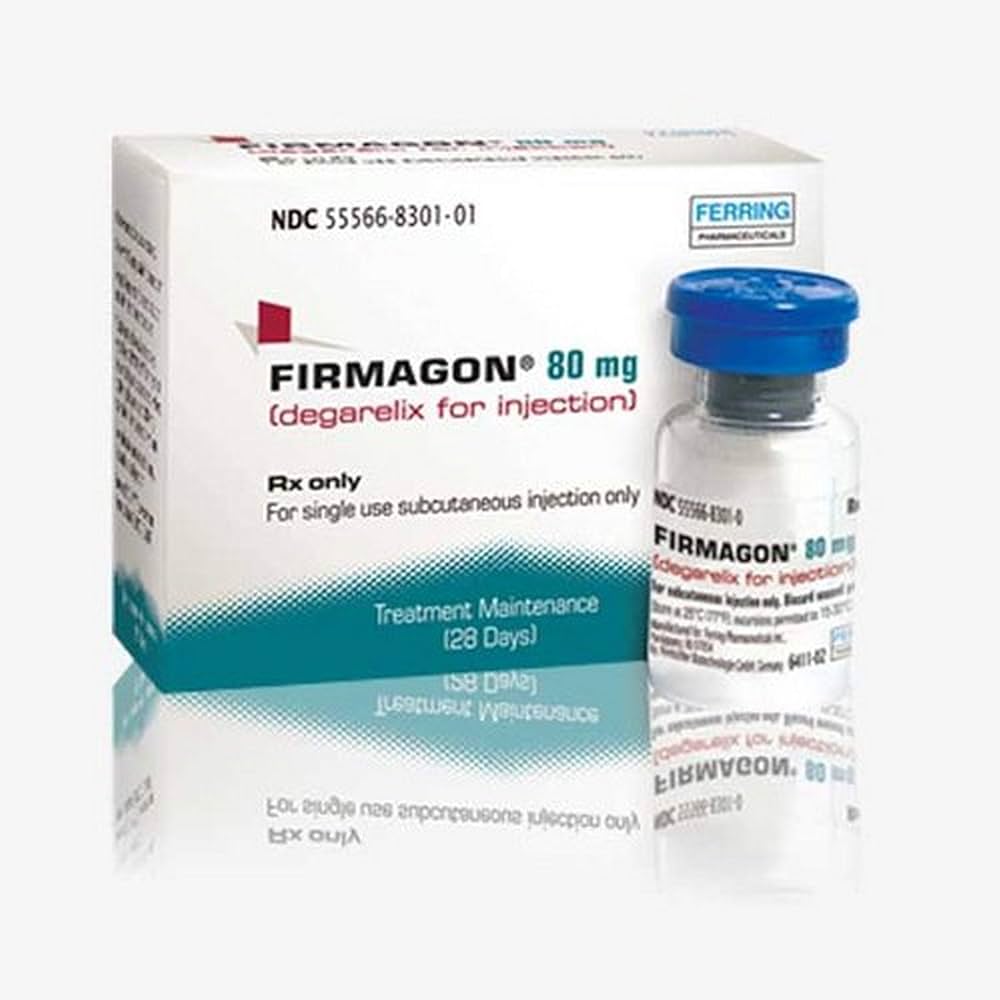
Firmagon 80mg injection is a crucial component in the arsenal of treatments against prostate cancer, a condition affecting millions of men globally. Understanding the intricacies of its dosage and administration is essential for both healthcare providers and patients. This comprehensive guide explores the dosage recommendations, administration techniques, and considerations associated with Firmagon 80mg injection, shedding light on how this medication contributes to effective prostate cancer management.
Understanding Firmagon 80mg: An Overview
Firmagon, with its active ingredient degarelix, is a gonadotropin-releasing hormone (GnRH) receptor antagonist. It plays a pivotal role in the treatment of advanced prostate cancer by suppressing the production of testosterone, a hormone that fuels the growth of prostate cancer cells.
Dosage Recommendations for Firmagon 80mg Injection
The standard dosage of Firmagon is 80mg administered as a subcutaneous injection. This dosage is typically given at the initiation of treatment, providing an immediate suppression of testosterone levels. Subsequent maintenance doses of 80mg are administered monthly to sustain the therapeutic effect.
The initiation dose serves a crucial purpose in rapidly reducing testosterone levels, known as the “loading dose.” It is important for healthcare providers to educate patients on the necessity and significance of this loading dose in achieving prompt hormonal suppression.
Administration Techniques: Ensuring Proper Injection
Subcutaneous Injection Site Selection
Firmagon is administered as a subcutaneous injection, usually into the fatty tissue just beneath the skin. Common sites for subcutaneous injections include the abdomen or the thigh. Rotating injection sites helps prevent irritation or discomfort at any single site.
Reconstitution of Firmagon
Before administration, Firmagon 80mg injection is supplied as a powder that requires reconstitution with a provided diluent. This process is typically done by a healthcare professional to ensure accuracy and sterility.
Proper Needle Usage and Disposal
The injection is typically administered using a short, thin needle. Healthcare providers are trained to administer Firmagon injections, but patients who self-administer at home receive thorough training on proper techniques. Needle safety and disposal practices are also emphasized to prevent accidental needlestick injuries.
Patient Education: Empowering Individuals in Self-Administration
For patients engaging in self-administration, comprehensive education is paramount. They should be well-versed in the importance of consistent dosing, proper injection techniques, and the significance of adhering to the prescribed schedule. Healthcare providers play a crucial role in ensuring that patients feel confident and competent in administering Firmagon injections.
Considerations for Missed Doses
Patients are advised to adhere strictly to the prescribed dosing schedule. In the event of a missed dose, patients should contact their healthcare provider promptly for guidance. It is generally recommended not to double the dose to compensate for a missed injection.
Monitoring Testosterone Levels: Tailoring Treatment to Individual Needs
Regular monitoring of testosterone levels is essential to assess the effectiveness of Firmagon treatment. Healthcare providers may perform blood tests to measure testosterone levels and adjust the dosage if necessary. This personalized approach ensures that each patient receives an optimal and tailored treatment regimen.
Potential Side Effects and Patient Management
While Firmagon is generally well-tolerated, patients may experience side effects such as injection site reactions, hot flashes, and fatigue. Healthcare providers educate patients on potential side effects and provide guidance on managing and mitigating these effects to enhance treatment adherence.
Extended Use of Firmagon: Long-Term Considerations
Firmagon is often used as a long-term treatment for prostate cancer. Patients should be informed about the extended duration of therapy and the importance of consistent and ongoing treatment. Regular follow-up appointments with healthcare providers are crucial to assess treatment efficacy and address any emerging concerns.
Special Populations and Considerations
Certain populations, such as the elderly or those with renal impairment, may require dosage adjustments. Healthcare providers carefully evaluate individual patient factors to determine the most appropriate dosage and administration approach.
Cost Considerations and Access to Treatment
Discussing the financial aspects of Firmagon treatment is essential. Healthcare providers may explore insurance coverage, patient assistance programs, or other avenues to ensure that individuals can access the medication without facing financial barriers.
Future Perspectives and Evolving Treatment Guidelines
As the landscape of prostate cancer treatment evolves, so do treatment guidelines. Keeping patients informed about emerging research, potential advancements in prostate cancer therapies, and evolving standards of care contributes to their overall understanding and engagement in their treatment journey.
Conclusion
In conclusion, Firmagon 80mg injection stands as a vital component in the treatment arsenal against prostate cancer. Understanding its dosage and administration guidelines is crucial for healthcare providers and patients alike. By adhering to the prescribed dosing schedule, following proper administration techniques, and staying vigilant about potential side effects, individuals undergoing Firmagon treatment can optimize its therapeutic benefits. Healthcare providers play a central role in educating and supporting patients throughout their treatment journey, ensuring that Firmagon contributes effectively to the management of prostate cancer, enhancing both longevity and quality of life.

