
Prolia 60mg injection is an osteoporosis treatment medication used to increase bone mass in patients at high risk for fracture. The active ingredient, denosumab, works by inhibiting the development of osteoclasts, specialized cells involved in breaking down bone tissue. By reducing osteoclast activity, Prolia allows osteoblasts to more effectively rebuild bone over time. This comprehensive guide will explore key topics to fully understand Prolia 60mg:
What is Osteoporosis?
Osteoporosis is a condition characterized by low bone mineral density and deterioration of bone tissue, leading to weaker, more porous bones over time. This causes bones to become fragile and increases susceptibility to fractures, particularly in the hip, spine and wrist. Osteoporosis often develops slowly and without symptoms over decades until a fall or sudden impact causes unexpected fractures. Major risk factors include family history, menopause in women, low testosterone in men, smoking, excessive thinness and more.
As a silent disease, osteoporosis is widely underdiagnosed. Approximately 10 million Americans over age 50 suffer from osteoporosis. An additional 44 million suffer from low bone density, which places them at increased future osteoporosis and fracture risk if preventative action is not taken. As global populations continue to age, world health organizations estimate that over 200 million individuals will develop osteoporosis by mid-century without therapeutic interventions.
How Does Prolia 60mg Injection Help Treat Osteoporosis?
The Prolia 60mg injection contains the active ingredient denosumab, a fully human monoclonal antibody that specifically binds to a protein called RANK Ligand involved in bone metabolism. By binding and inhibiting this protein, Prolia blocks development of osteoclast cells responsible for breaking down aged bone tissue. With less bone tissue removal over time, bone forming cells called osteoblasts can more effectively lay down new, healthy bone to strengthen weakened skeletons.
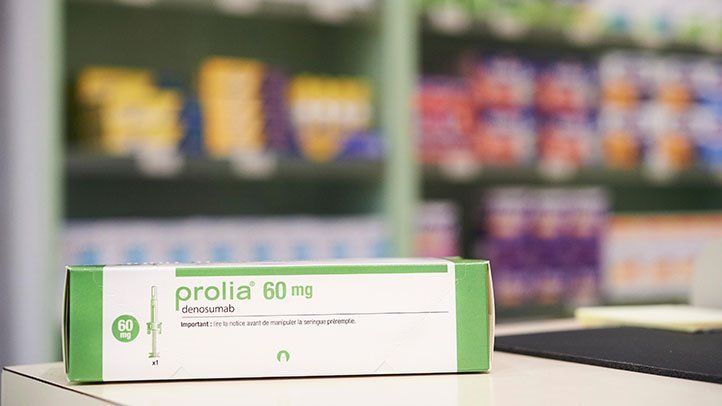
The Prolia 60mg injection is administered under the skin by a healthcare professional once every six months. The semi-annual injections of Prolia allow for rapid bone loss control while avoiding continuous active medication in the bloodstream or organs.
Clinical trials found Prolia injections twice per year increased bone mineral density at all skeletal sites measured, including areas most vulnerable to fracture like the hip and spine. Study data found Prolia reduced the risk of all first fractures over three years by 16% and specifically reduced the chances of painful spinal fractures by a remarkable 68% compared to placebo.
What to Expect When Taking Prolia 60mg
When administered properly, the Prolia 60mg injection is well tolerated with mild side effects. Most patients only experience brief, mild reaction at the injection site on the arm, thigh or abdomen. Headaches, joint pain and musculoskeletal discomfort have occurred. Rare but serious side effects involve infection, skin reactions, low calcium, jawbone changes and atypical bone fracture.
Patients can expect to come in for Prolia injection once every six months, with each dose taking just a few seconds to administer. No lab testing or additional medications are required, and patients can go about normal activity immediately after the injection. Over 12 months between the first and second dose, rapid increases in spine bone mineral density up to 9% have been observed along with more gradual but steady increases in hip density.
Many patients start to report reductions in back pain symptoms between 6-12 months as spinal compression fractures and degeneration is slowly reversed. After the first annual injection cycle maintaining density gains and fracture reduction, patients can expect to continue the biannual injection regimen long-term under provider supervision to sustain skeletal system improvements over the years ahead.
The Future of Osteoporosis Treatment
Current osteoporosis medications like Prolia focus on anti-resorptive mechanisms, meaning they slow the bone tissue removal by osteoclasts. However, future osteoporosis drugs aim to go beyond anti-resorption to enhance bone formation itself.
Exciting pharmaceutical research is underway focused on promoting osteoblast production, lengthening osteoblast lifespans, and activating genes involved in osteogenesis pathways to stimulate bone matrix regeneration. Powerful bone anabolic medications that shift the balance towards faster bone tissue build up may allow for better restoration of fragile skeletons in the future.
While preventative nutrition, responsible strength training, and fall mitigation will always play a key role, Prolia injections today for Onco Health Mart– and perhaps advanced osteogenic drugs tomorrow – offer real hope for saving fragile bones for the millions worldwide dealing with the silent epidemic of osteoporosis. Consult a medical professional to determine if Prolia treatment could help strengthen your skeleton and reduce painful fracture risk in the years ahead.
When Is Prolia 60mg Appropriate? Identifying Ideal Candidates
Determining optimal candidates for Prolia treatment is an important consideration before initiating the injection regimen. Generally, Prolia is appropriate for:
Post-Menopausal Women at High Fracture Risk
One of the most common osteoporosis patient profiles involves post-menopausal women over age 50 struggling with rapid bone deterioration following estrogen level changes. Loss of skeletal mineral density renders this population, already susceptible to age-related falls, extremely fracture prone without medications like Prolia for protection. Within a couple years of starting the biannual regimen, most post-menopausal women experience stabilization followed by density improvements reducing fracture likelihood.
Those with a Family History of Osteoporosis
Genetics play a major role in bone health. Individuals with a family history of osteoporosis or late-onset female relatives struggling with post-menopausal tissue deterioration are strong Prolia candidates. By not waiting for fractures and pain before intervening, hereditary osteoporosis patients in midlife can reinforce the skeleton early through RANK Ligand inhibitors.
Patients Managing Certain Medications Impacting Bone Density
Beyond aging and genetics, certain essential medications also degrade bone health over time. Steroids like prednisone, aromatase inhibitors for cancer, anticonvulsants, proton pump inhibitors, selective serotonin reuptake inhibitors, thyroid hormones and more interfere with density in various direct and indirect ways. Starting Prolia helps counteract these side effects.
Those Suffering from Uncontrolled Osteoporosis Despite Other Medications
For severe osteoporosis cases failing to stabilize on traditional antiresorptives like alendronate, Prolia injections represent a more intensive therapeutic option before fractures occur. By using higher efficacy site-specific RANK ligand binding agents, Prolia can get proliferation under control where earlier generation oral medications have not.
Conclusion
In essence, Prolia 60mg injection emerges as a cornerstone in the treatment landscape for osteoporosis and related conditions. Its unique mechanism of action, coupled with its proven efficacy and overall impact on bone health, positions it as a transformative medication. This comprehensive guide seeks to empower individuals with the knowledge needed to make informed decisions about Prolia, promoting a holistic understanding of its benefits, considerations, and contributions to the broader realm of bone health.
 Onco Health Mart