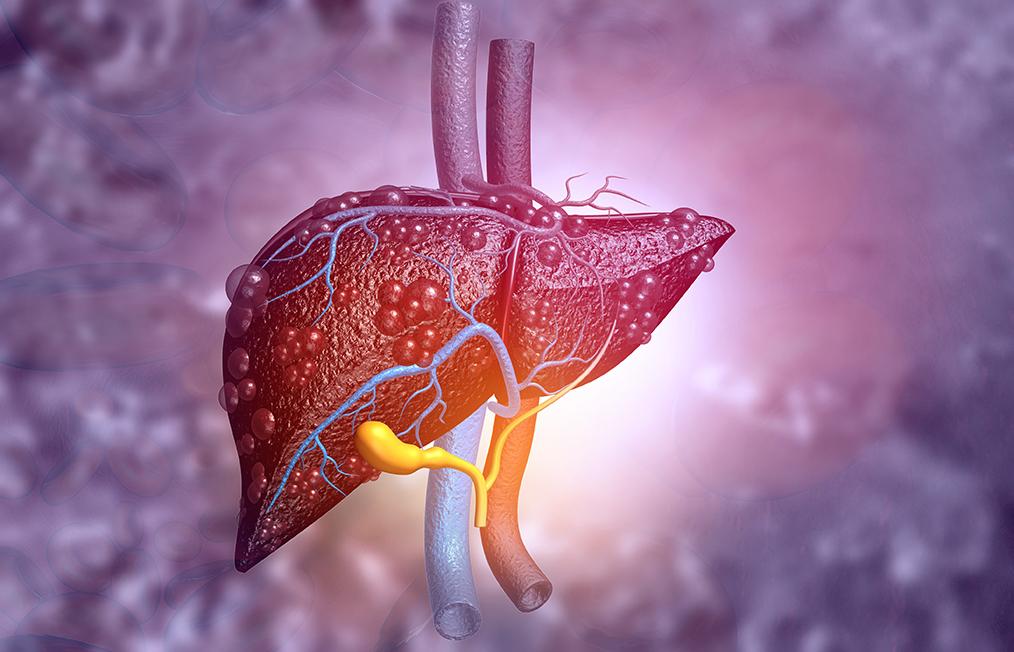
Hepatitis is a global health concern that affects millions of people worldwide. This liver disease comes in various forms, each with its own distinct characteristics, symptoms, and risk factors. In this comprehensive guide, we will delve deep into hepatitis, covering its types, symptoms, and crucial preventive measures. We will also explore the role of hepatitis medicine online and the significance of reliable anti-cancer medicine suppliers in Delhi. By the end of this article, you will have a thorough understanding of hepatitis and its importance in the context of public health and individual well-being.
What is Hepatitis?
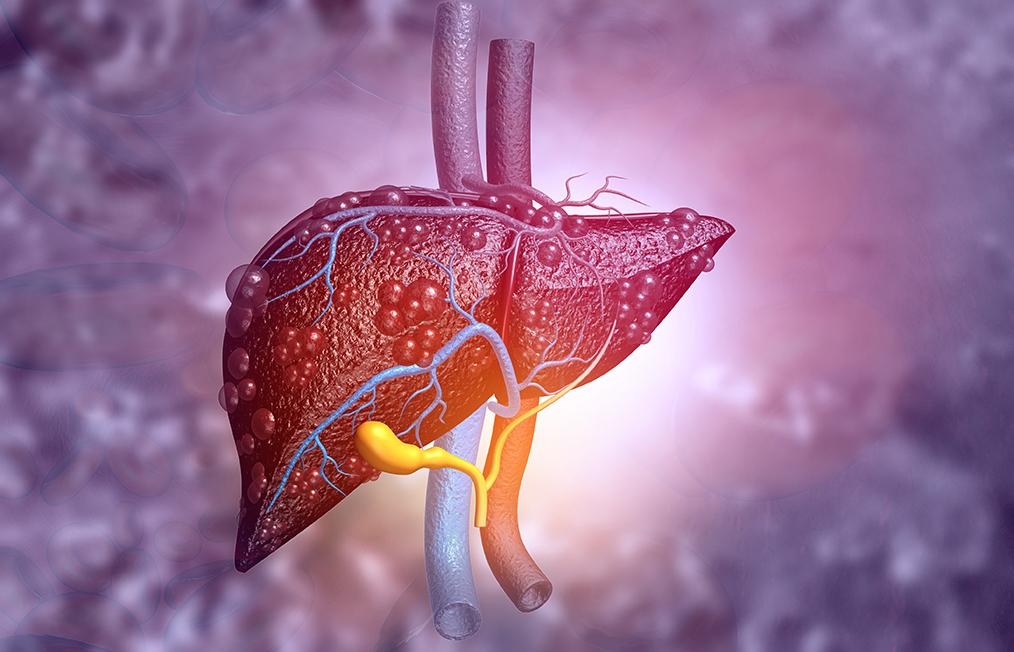
Hepatitis is an inflammatory condition that affects the liver, one of the body’s most vital organs. It is caused by a group of viruses known as the hepatitis viruses. These viruses are categorized as hepatitis A, B, C, D, and E, each with its own distinct characteristics. Hepatitis A and E are typically short-term infections, while hepatitis B, C, and D can become chronic, leading to severe liver damage if left untreated.
Types of Hepatitis:
Hepatitis A (HAV):
HAV is primarily transmitted through contaminated food and water or close contact with an infected person.
Symptoms include jaundice, fatigue, abdominal pain, and nausea.
Prevention: Vaccination and practicing good hygiene.
Hepatitis B (HBV):
- HBV spreads through contact with infected blood, unprotected sex, or from an infected mother to her child during childbirth.
- Symptoms include fatigue, joint pain, dark urine, and abdominal discomfort.
- Prevention: Vaccination, safe sex practices, and avoiding sharing needles.
Hepatitis C (HCV):
- HCV is mainly transmitted through contact with infected blood, often due to sharing needles or unsafe medical practices.
- Symptoms can range from mild to severe, including jaundice and liver cirrhosis.
- Prevention: Avoiding high-risk behaviors and using sterile needles.
Hepatitis D (HDV):
- HDV only affects individuals already infected with HBV.
- It can lead to a more severe form of hepatitis and increase the risk of chronic liver disease.
- Prevention: Vaccination against HBV.
Hepatitis E (HEV):
- HEV is primarily transmitted through contaminated water.
- Symptoms are similar to those of HAV and include jaundice, fatigue, and nausea.
- Prevention: Ensuring clean drinking water sources and practicing good sanitation.
Symptoms of Hepatitis:
The symptoms of hepatitis can vary depending on the type and stage of the infection. Common symptoms include:
- Jaundice (yellowing of the skin and eyes)
- Fatigue and weakness
- Abdominal pain or discomfort
- Loss of appetite
- Nausea and vomiting
- Dark urine
- Pale-colored stool
- Joint pain
- Fever
It’s important to note that some individuals with hepatitis may remain asymptomatic, especially in the early stages of the infection.
Hepatitis Prevention:
Preventing hepatitis is crucial for maintaining liver health and reducing the spread of the virus. Here are some key preventive measures:
Vaccination: Vaccines are available for hepatitis A and B. Getting vaccinated is one of the most effective ways to prevent these infections. Hepatitis B vaccination is especially important for healthcare workers and individuals at high risk.
Practice Safe Sex: Use condoms and practice safe sex to reduce the risk of hepatitis B and other sexually transmitted infections.
Hygiene: Wash your hands thoroughly with soap and water, especially after using the restroom and before handling food. This helps prevent the spread of hepatitis A and E.
Safe Injection Practices: Avoid sharing needles or other injection equipment. Use sterile needles and syringes for medical procedures.
Safe Food and Water: Be cautious when consuming food and water in areas with poor sanitation. Avoid consuming undercooked shellfish and raw seafood, which can carry hepatitis A and E.
Screening and Testing: Individuals at risk of hepatitis B and C, such as healthcare workers and people with a history of injection drug use, should undergo regular screening and testing.
Mother-to-Child Transmission: Pregnant women with hepatitis B should receive antiviral treatment to reduce the risk of transmitting the virus to their newborns.
Hepatitis Medicine Online:
In the digital age, accessing healthcare information and medication has become more convenient than ever. Hepatitis medicine online is a valuable resource for individuals seeking information, guidance, and treatment options for hepatitis. Online platforms provide access to a wide range of resources, including:
- Information on different hepatitis types and treatment options.
- Guidance on managing hepatitis, including lifestyle recommendations and diet.
- Access to support groups and forums where individuals can connect with others facing similar challenges.
- Convenient ordering of prescription medications for hepatitis management.
Anti-Cancer Medicine Supplier in Delhi:
Hepatitis B and C infections can lead to severe liver damage and increase the risk of liver cancer. Therefore, individuals with chronic hepatitis, especially hepatitis C, need close monitoring and access to anti-cancer medicines if required. In Delhi, a reliable Anti cancer medicine supplier in Delhi can play a crucial role in providing these medications to those in need.
Conclusion
Hepatitis is a serious health concern with various types, symptoms, and preventive measures. Understanding the differences between hepatitis A, B, C, D, and E is essential for both individual health and public health efforts. By taking proactive steps such as vaccination, practicing safe behaviors, and accessing hepatitis medicine online, individuals can protect themselves and contribute to the global effort to combat hepatitis. Additionally, the presence of a trustworthy anti-cancer medicine supplier in Delhi ensures that those with chronic hepatitis have access to the necessary treatments and support for their liver health. Staying informed and taking preventive measures are key to reducing the burden of hepatitis on individuals and communities worldwide.
 Onco Health Mart